Mastering Account Research: The Key to Sales Success
In the world of sales, preparation isn’t just an advantage — it’s the foundation of success. Account research is the critical first step in understanding your prospects and tailoring your approach. Done well, it can unlock opportunities, build stronger connections, and ultimately drive higher conversion rates. Let’s dive into the why, what, and how of effective account research.
 .gif)
.gif)
Need to scale account research?
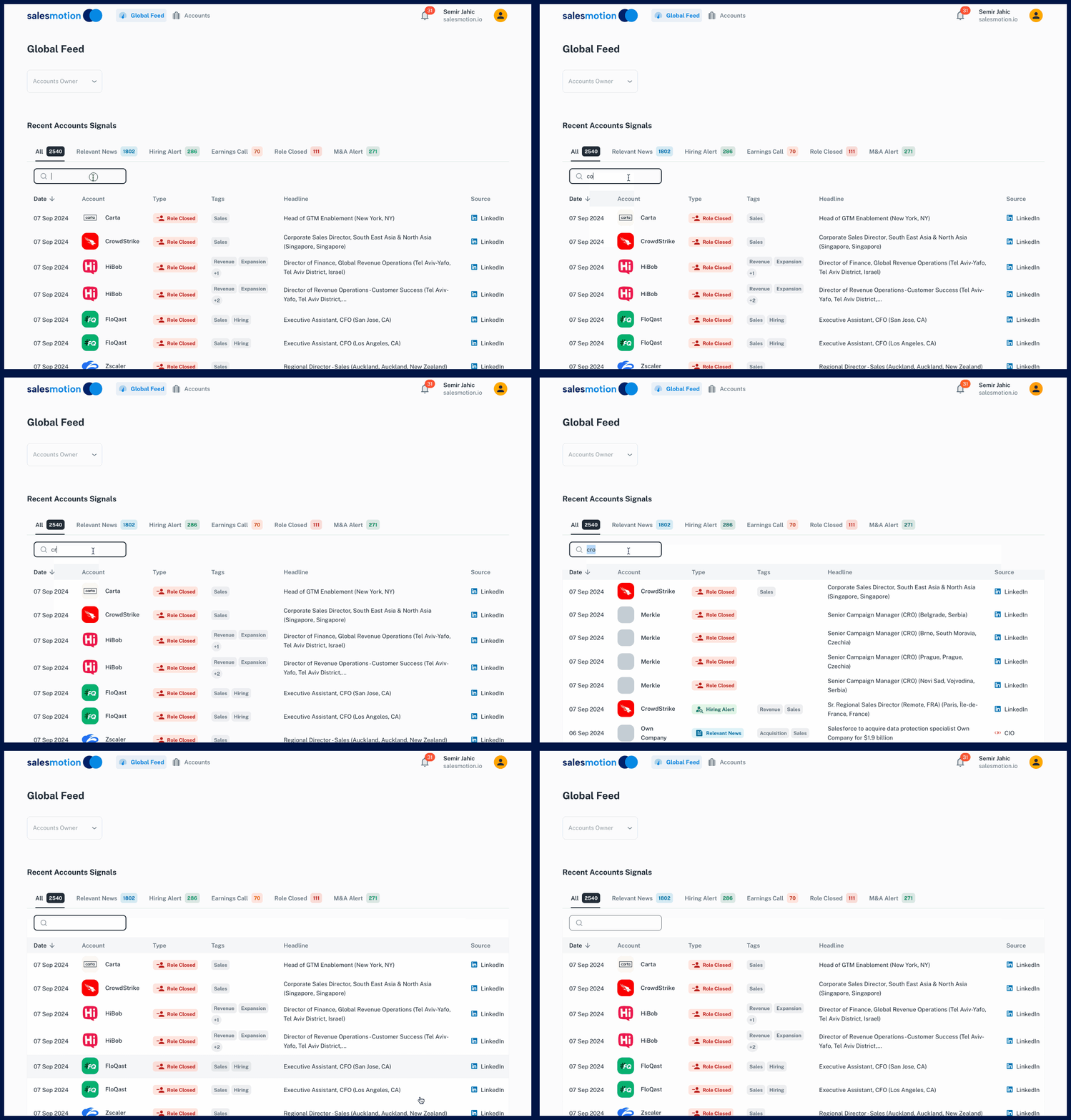
3 hours of account research, done in 5 minutes. That's the Salesmotion promise.
Cited account briefs, SWOT analyses, talking points — built from 1,000+ public sources. From $85/mo.
Why Is Account Research So Important?
1. Personalization is King
Generic pitches are no longer effective. Today’s buyers expect personalized experiences that speak to their unique challenges and goals. Thorough account research enables you to craft a message that resonates.
2. Shorten the Sales Cycle
By understanding the prospect’s needs and decision-making process upfront, you can address objections and align your solution more efficiently, leading to quicker deal closures.
3. Build Credibility and Trust
When you demonstrate knowledge about the prospect’s business, industry, and challenges, you position yourself as a trusted advisor rather than just another salesperson.

“The AI templates were a surprise delight. We expected the data, but the pre-built email suggestions turned out to be much better than expected and a huge help, especially for newer reps.”
Sabina Malochleb-Bazaud
Senior Sales Operations Administrator, Cytel
What Should You Research?
To maximize the impact of your outreach, focus on the following areas:
1. Company Insights
- Industry Trends: Understand the broader market context in which the company operates.
- Recent News: Look for press releases, funding announcements, mergers, acquisitions, or product launches — these are key buying signals.
- Strategic Priorities: Review annual reports, earnings calls, or investor presentations for insights into goals and challenges.
2. Key Decision-Makers
- Identify stakeholders and their roles in the buying process.
- Research their professional background on LinkedIn or similar platforms.
- Look for shared connections or interests to establish rapport.
3. Pain Points and ChallengesWhat problems does the company aim to solve?
- Are there specific inefficiencies or gaps your solution can address?
4. Technology Stack and Tools
- What tools or platforms are they already using? Our guide to sales intelligence tools covers how to evaluate this.
- How does your product integrate or differentiate?
5. Competitors and Differentiators
- Who are their primary competitors?
- How does the company position itself, and where does your offering align with or enhance that position?
Key Takeaways
- Thorough account research is the foundation of effective sales outreach, enabling personalization that resonates with prospects and shortens the sales cycle.
- Focus your research across five key areas: company insights, key decision-makers, pain points, technology stack, and the competitive landscape.
- Leveraging buying signals such as press releases, funding announcements, and leadership changes gives you timely and relevant reasons to reach out.
- Understanding a prospect's strategic priorities through annual reports and earnings calls positions you as a trusted advisor rather than just another vendor.
- AI-powered tools and real-time signal monitoring are replacing manual research, allowing sales teams to scale deep account intelligence across their entire territory.
Frequently Asked Questions
What is account research in sales?
Account research is the process of gathering and analyzing information about a target company and its key decision-makers before initiating outreach. It includes studying company insights, pain points, technology stacks, and competitive positioning to tailor your sales approach and improve conversion rates.
How much time should a sales rep spend on account research?
The amount of time depends on the deal size and account tier, but top-performing reps invest significantly more in research than average reps. AI-powered account intelligence tools can reduce manual research time by 50% or more, allowing reps to cover more accounts without sacrificing depth.
What are the best sources for account research?
The best sources include company websites, LinkedIn, SEC filings, earnings call transcripts, press releases, job postings, and industry-specific databases. Platforms like Salesmotion aggregate over 1,000 of these sources automatically, surfacing the most relevant insights for your outreach. For a hands-on walkthrough, see our free account research tools guide.
How does AI change the future of account research?
AI automates the collection and synthesis of data from hundreds of sources, delivering real-time buying signals and actionable insights directly into a rep's workflow. This is the foundation of signal-based selling -- shifting account research from a manual, time-consuming task to an always-on intelligence layer that keeps every account plan current.