The average B2B sales team uses 10 or more sales tools. Reps actively use about three of them. The rest sit unused while the team finds workarounds in spreadsheets, browser tabs, and memory. Every unused tool is a recurring expense that delivers zero pipeline. Choosing the right B2B sales tools is not about buying more software. It is about buying fewer tools that reps actually open every morning.
TL;DR: The best B2B sales tools are built around rep workflows, not feature lists. We break down 17 essential sales tools across five categories, with specific recommendations and an evaluation framework for each. Going into 2027, agent-powered tools that work proactively on behalf of reps are replacing passive dashboards. Prioritize tools that reduce research time, surface signals automatically, and live inside the systems reps already use. Consolidation beats accumulation.
Why Most Sales Tech Stacks Fail
The problem is not a shortage of good sales tools. There are over 8,000 on the market. The problem is how teams assemble them.
Most stacks grow reactively. Marketing buys an ABM platform. Sales leadership adds a conversation intelligence tool. RevOps layers on enrichment software. Each purchase solves a specific problem in isolation. But nobody maps how these tools interact, whether data flows between them, or whether reps actually change their daily behavior.
The result: 70% of companies struggle to integrate sales plays into their CRM and revenue tech. Reps end up toggling between platforms, manually copying data, and developing their own shortcuts that bypass the tools entirely.
A better approach starts with the rep's daily workflow and works backward to the tools that support it. What does a rep need to do each morning? Find the right accounts, understand what is happening at those accounts, craft relevant outreach, track engagement, and move deals forward. Every tool in your stack should serve one of those jobs.
See the product in action
Take a self-guided tour of the Salesmotion platform — no signup required.
How to Evaluate B2B Sales Tools Before You Buy
Most sales tool evaluations start with feature checklists and vendor demos. Both are terrible predictors of adoption. A tool can check every box on the RFP and still sit unused 90 days after deployment.
What I tell sales leaders who are comparing vendors: all these go-to-market tools tick all the boxes. If you just read the feature lists, they all do the same thing. When you dive in, they don't.
A better evaluation framework focuses on three questions:
1. Does it reduce time-to-action? Measure how long it takes a rep to go from "I need to work this account" to "I'm reaching out with something relevant." If a tool doesn't shorten that gap measurably, it is adding complexity without productivity. The best sales tools compress the research-to-outreach cycle from hours to minutes.
2. Does it live where reps already work? Tools that require reps to leave their CRM, open a new tab, or learn a separate interface face an adoption cliff. Native CRM integrations, browser extensions, and inbox plugins win because they meet reps in their existing workflow. According to Salesforce research, reps spend only 28% of their time actually selling. Every extra tab widens that gap.
3. Does the data compound? Static tools deliver one-time value. The best B2B sales tools build compounding intelligence over time. Account research that updates as signals change, pipeline analytics that improve with more deal data, engagement platforms that learn from response patterns. Ask whether the tool gets more valuable the longer you use it, or whether it delivers the same output on day 300 as day 3.
The Rise of Agent-Powered Sales Tools
The most significant shift in B2B sales technology to plan for in 2027 is AI agents that do work autonomously, not just assist. Traditional AI features suggest next steps or draft templates. Agent-powered tools monitor your territory 24/7, surface relevant signals without being asked, and generate ready-to-use account briefs and outreach based on live data.
This matters for tool evaluation because it changes the adoption equation. A tool that requires reps to remember to use it will always have adoption problems. An agent that proactively pushes relevant intelligence into the rep's workflow eliminates the "I forgot to check" failure mode entirely.
When evaluating any sales tool for 2027, ask: does this tool wait for the rep to do something, or does it actively work on the rep's behalf? The answer increasingly separates the tools that get used from the ones that get shelfed.

“It's not even just about saving time — it's about uncovering things we otherwise might not research. Salesmotion helps us connect Guild to what's already publicly important to the company.”
Derek Rosen
Director, Strategic Accounts, Guild Education
The 17 Essential B2B Sales Tools by Category
Category 1: Account Intelligence and Research
This is where the biggest productivity gains live. Reps spend an average of 20% of their work time researching prospects. Bad data wastes another 27% of potential selling time. A strong account intelligence platform compresses hours of research into minutes. For a head-to-head breakdown, see our account intelligence tools compared guide.
Salesmotion aggregates buying signals, firmographic data, leadership changes, hiring patterns, and news triggers into a single account view inside your CRM. Analytic Partners cut account research from three hours to 15 minutes and grew qualified pipeline 40% year over year.
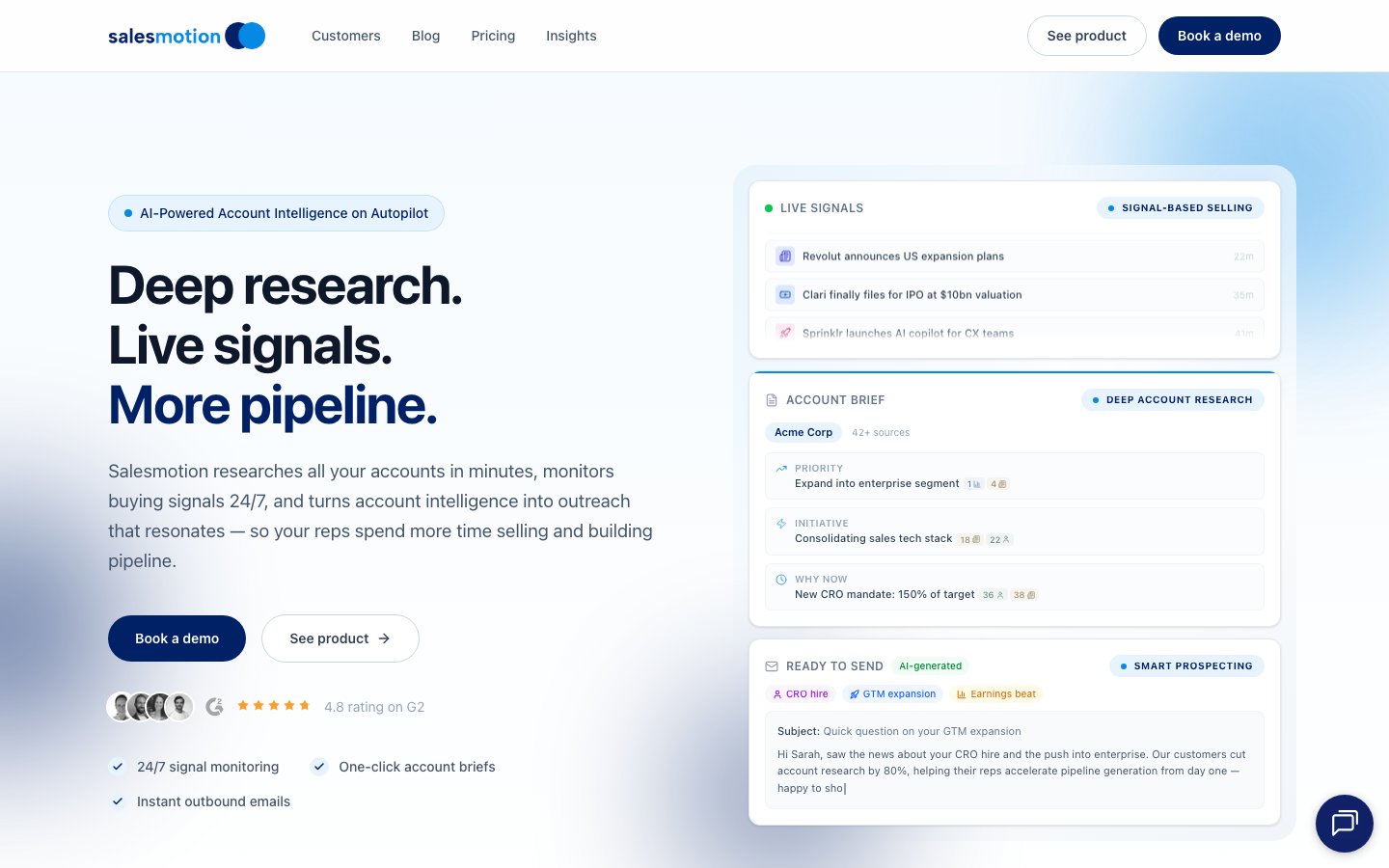 Salesmotion surfaces account intelligence, live signals, and ready-to-send outreach inside your CRM.
ZoomInfo provides one of the largest B2B contact and company databases, with intent data, org charts, and technographic insights. Best for high-volume prospecting teams that need comprehensive contact data alongside market signals.
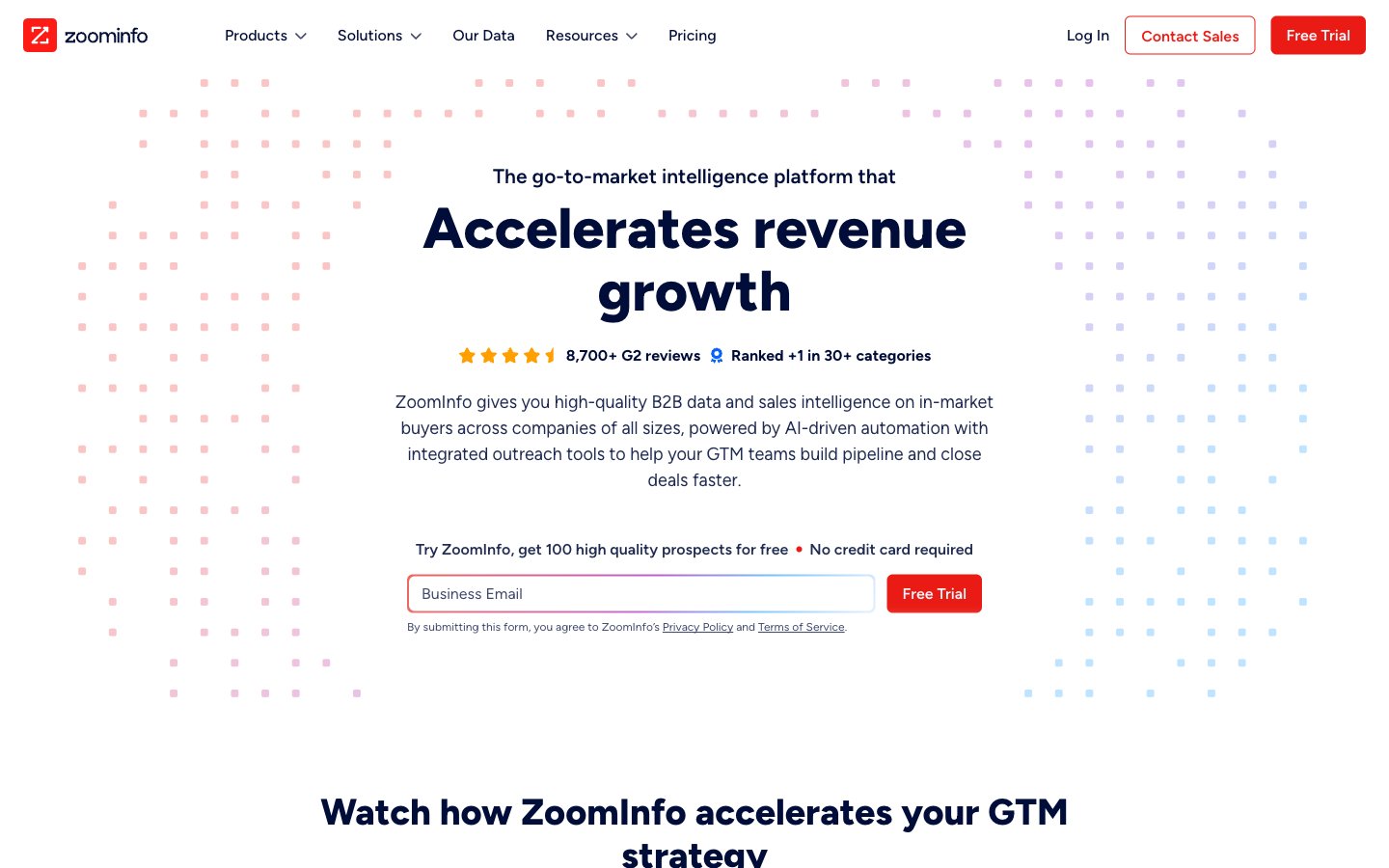 ZoomInfo combines B2B data and sales intelligence with integrated outreach tools for GTM teams.
LinkedIn Sales Navigator surfaces lead recommendations and real-time alerts on job changes and company growth via LinkedIn's professional network. Most valuable as a prospecting complement alongside a dedicated intelligence platform.
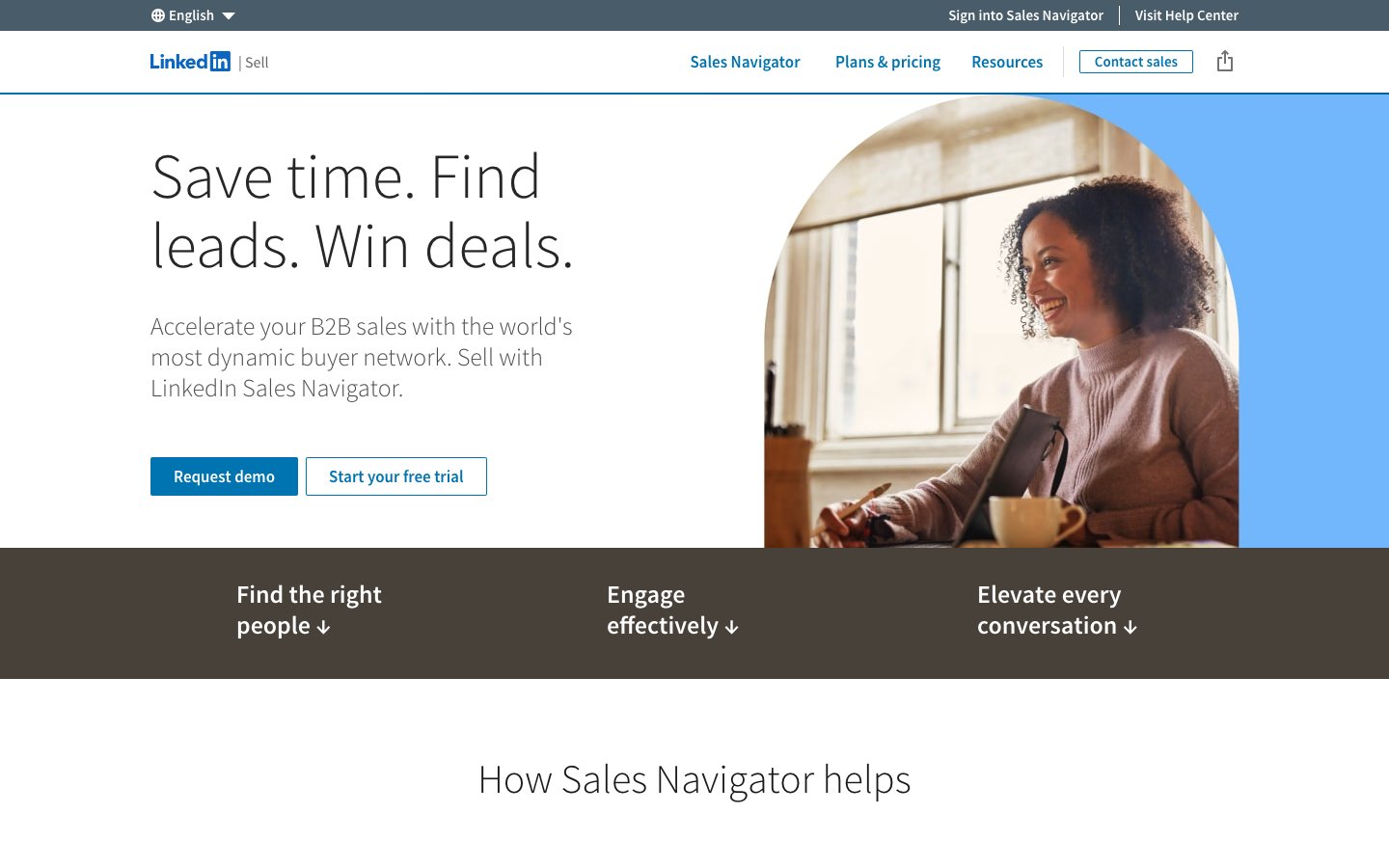 LinkedIn Sales Navigator leverages professional network data for lead recommendations and alerts.
Cognism offers global contact data with phone-verified mobile numbers and compliance-focused intent data. Its EMEA coverage and GDPR compliance make it the go-to for teams selling into European markets.
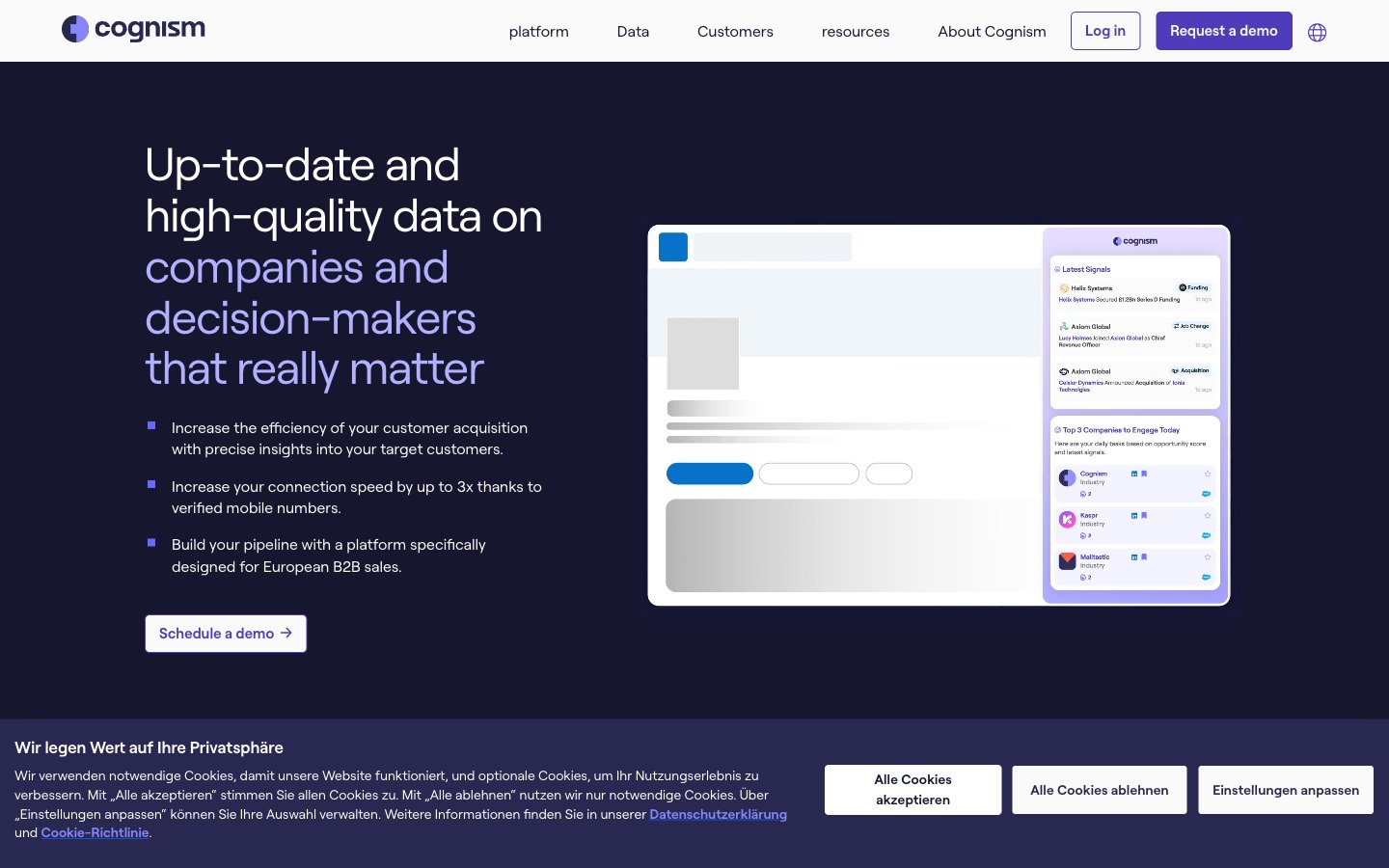 Cognism provides verified mobile numbers and compliance-focused data for European markets.
Category 2: CRM
Your CRM is the foundation. Everything else connects to it. The choice between platforms depends on your team size, deal complexity, and existing integrations, but the platform matters less than how well you configure it.
Salesforce remains the enterprise standard with the deepest customization, app ecosystem, and reporting capabilities. Best for organizations with complex selling motions and dedicated RevOps support.
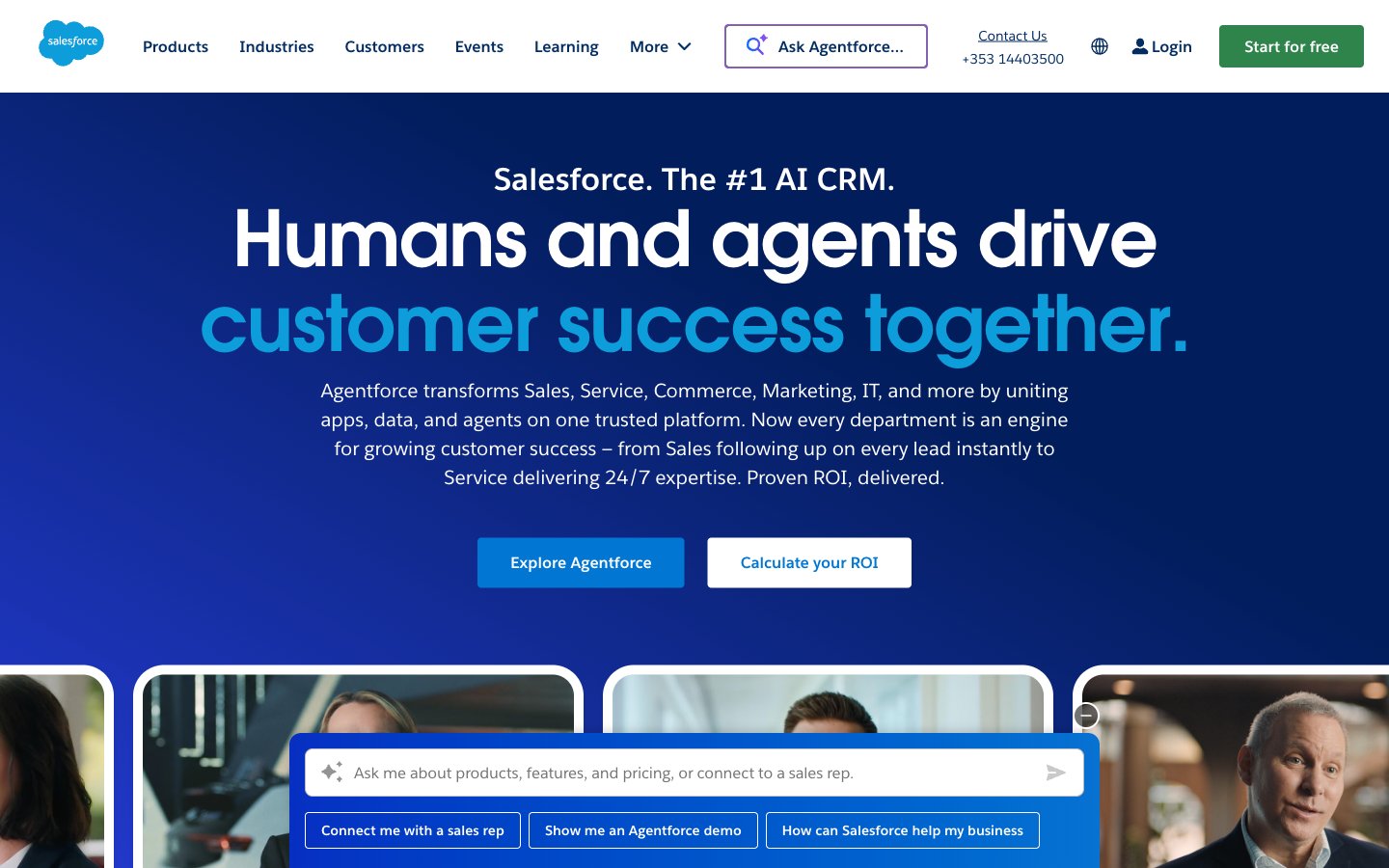 Salesforce is the enterprise CRM standard with the deepest customization and app ecosystem.
HubSpot CRM offers a more intuitive interface with tighter marketing-to-sales alignment out of the box. Best for SMB and mid-market teams that want fast setup and minimal admin overhead.
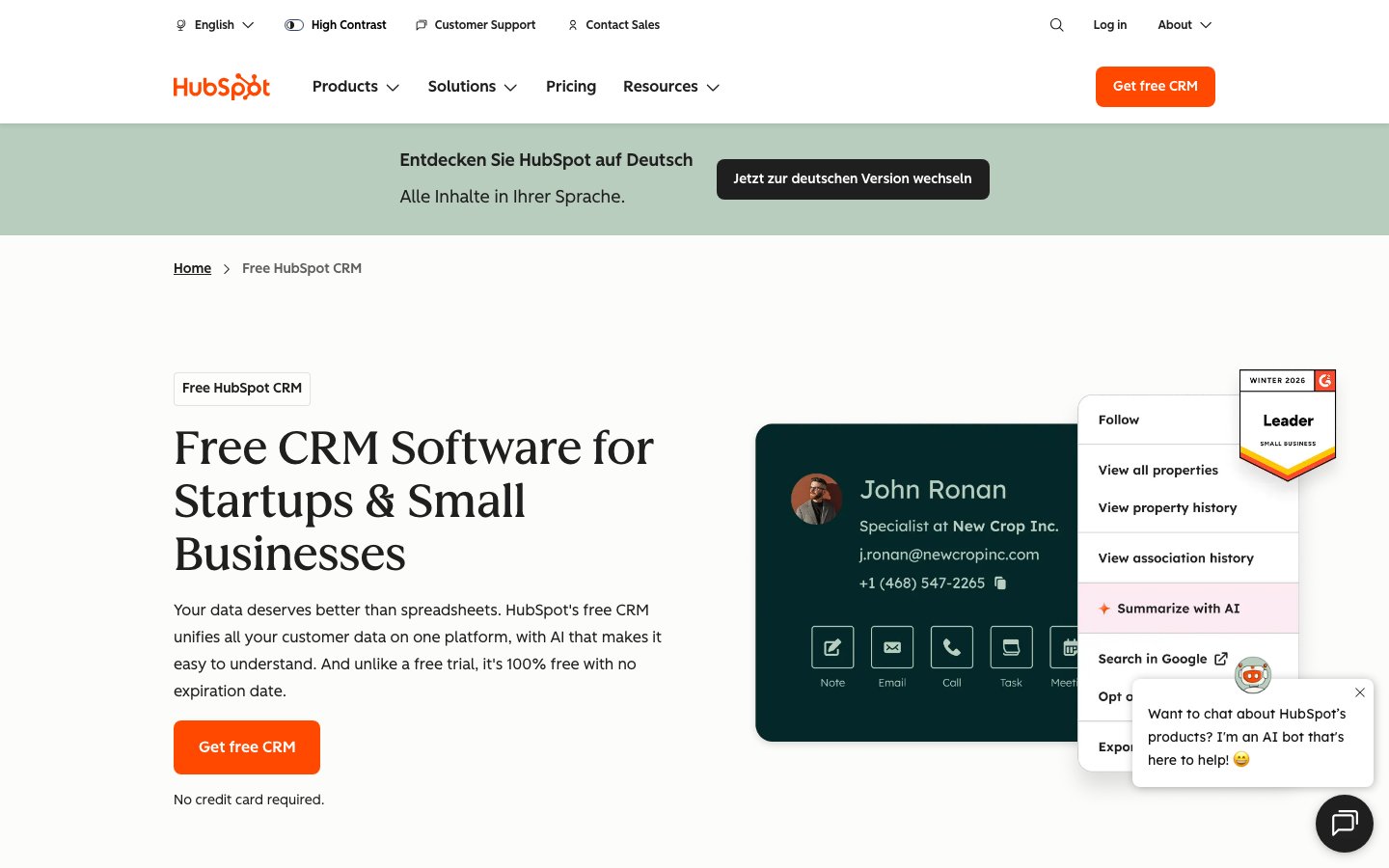 HubSpot CRM offers a free tier with intuitive contact management and marketing alignment.
Scratchpad sits on top of Salesforce to simplify pipeline management with real-time updates, inline editing, and workflow views that reduce CRM data entry friction. Particularly useful for AEs managing multiple deals.
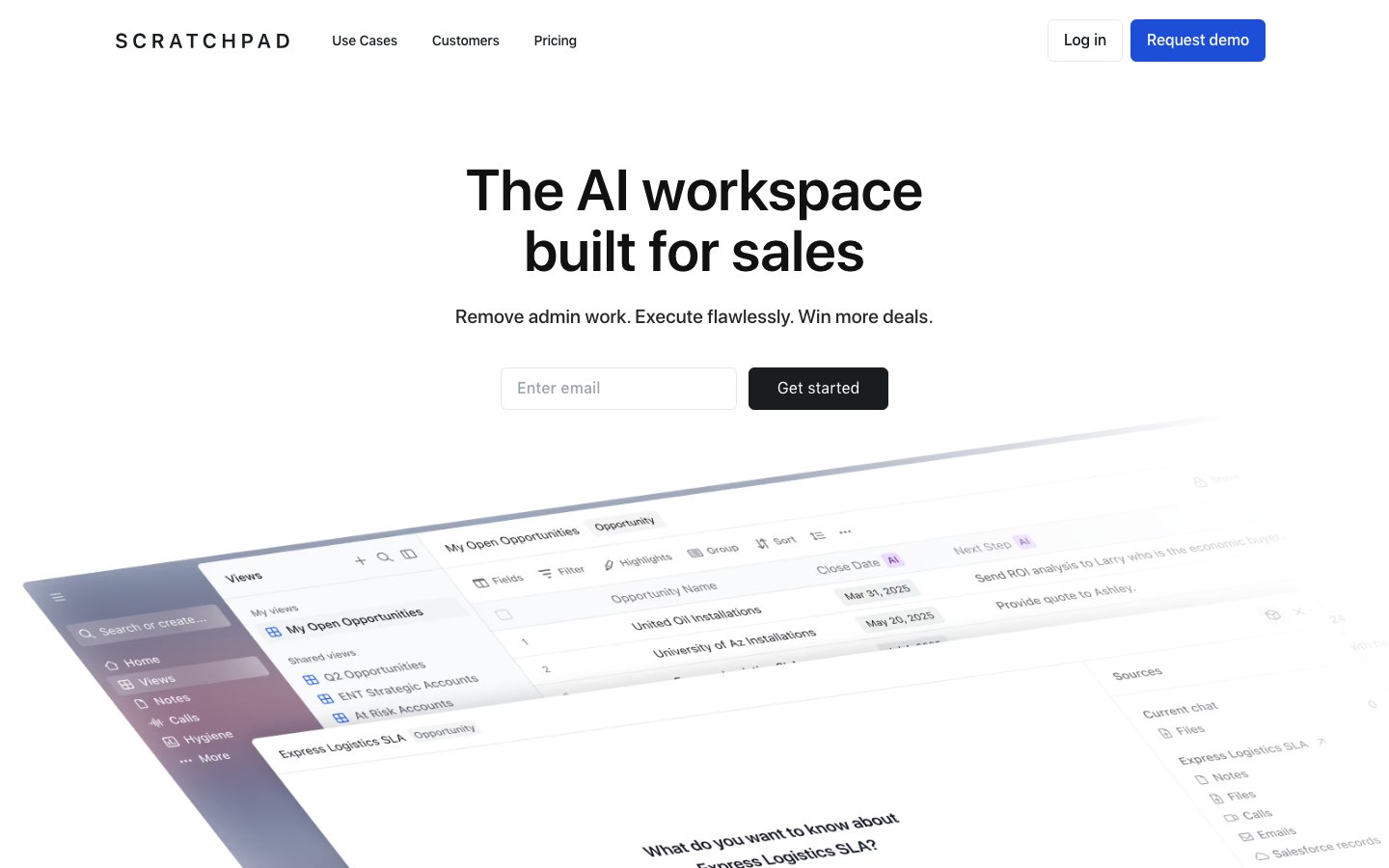 Scratchpad simplifies Salesforce pipeline management with inline editing and workflow views.
The most common CRM failure is not the software. It is data hygiene. If reps do not trust the data in the CRM, they will not use it.
Category 3: Sales Engagement
Engagement platforms automate multi-step outreach sequences across email, phone, and social. They are essential for SDR teams running high-volume prospecting and for AEs managing multiple deals simultaneously. For a detailed comparison, see Outreach vs Salesloft.
Outreach is the market leader for enterprise sales engagement, with email sequencing, call tracking, and AI-assisted content suggestions. Strong integration ecosystem and analytics depth.
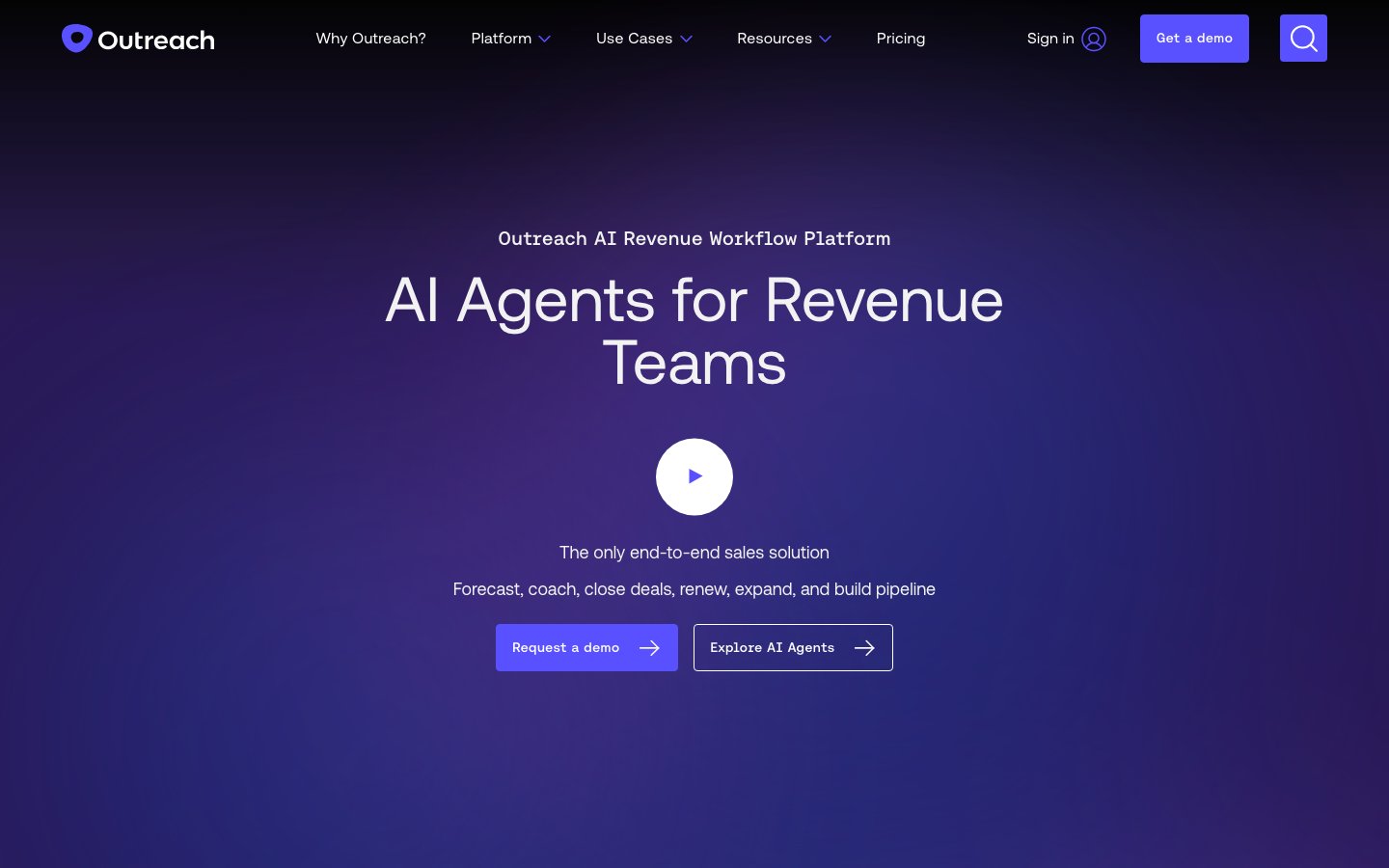 Outreach leads the enterprise sales engagement category with AI-powered sequencing and analytics.
Salesloft offers similar sequencing and cadence management with a slightly more intuitive interface. Particularly strong for mid-market teams and organizations prioritizing coaching workflows.
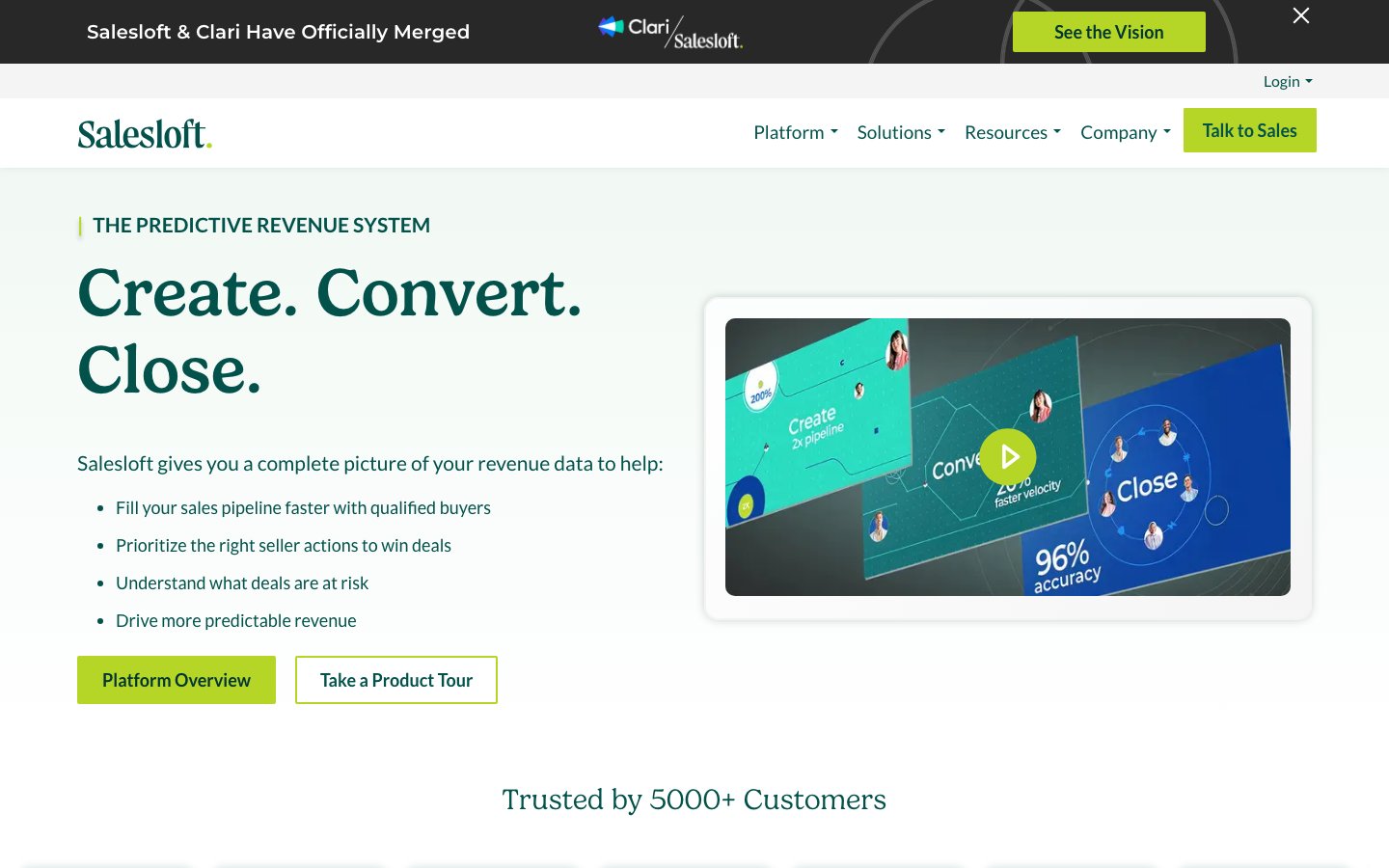 Salesloft provides intuitive cadence management with strong coaching workflow support.
Orum enables simultaneous multi-number dialing to reach live prospects faster, turning cold calling from a grind into a scalable channel. Best for teams where phone outreach is a primary prospecting motion.
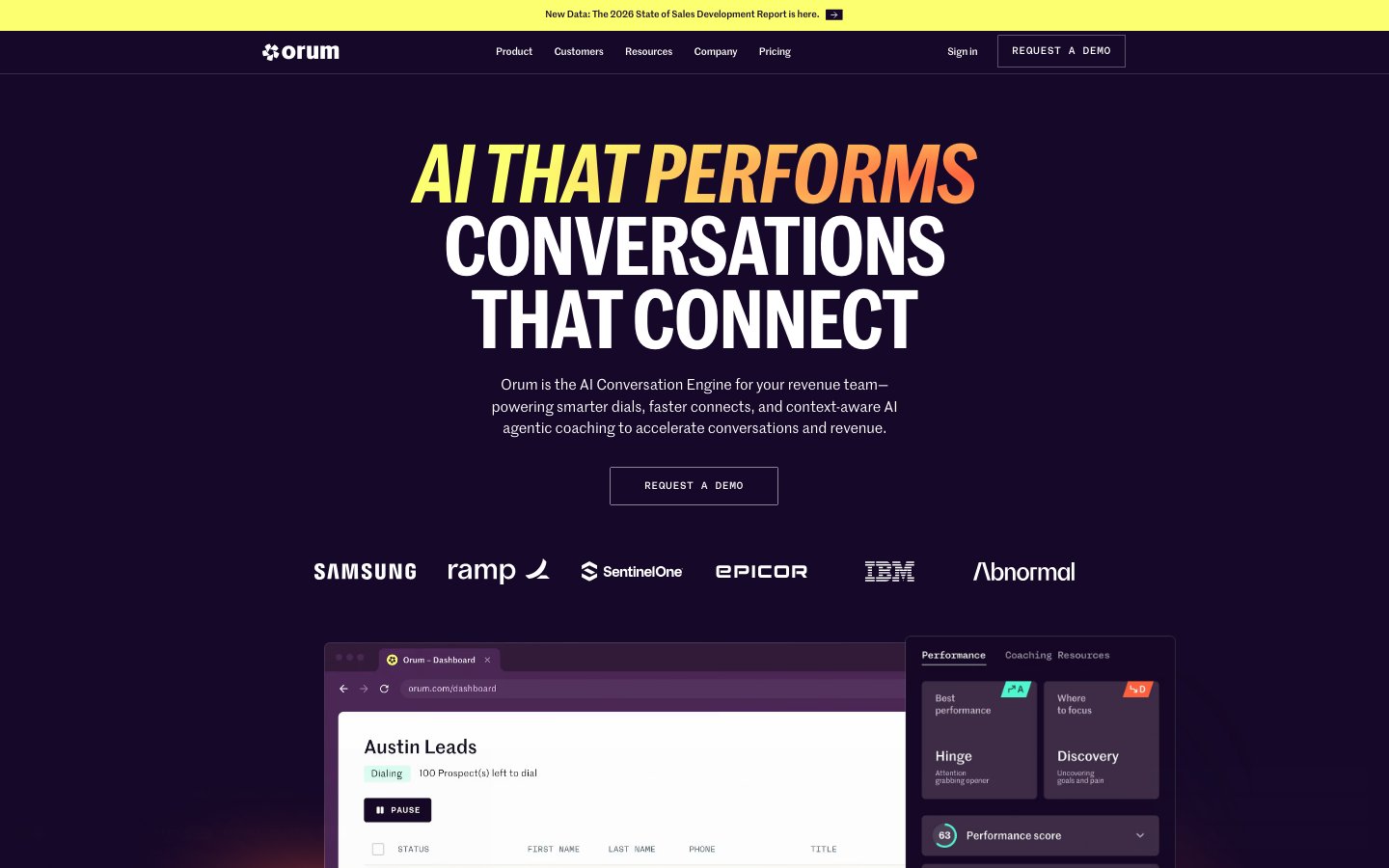 Orum turns cold calling into a scalable channel with simultaneous multi-number dialing.
Apollo.io combines a contact database with built-in engagement tools at a lower price point. Good for smaller teams that want prospecting and sequencing in one platform without enterprise pricing.
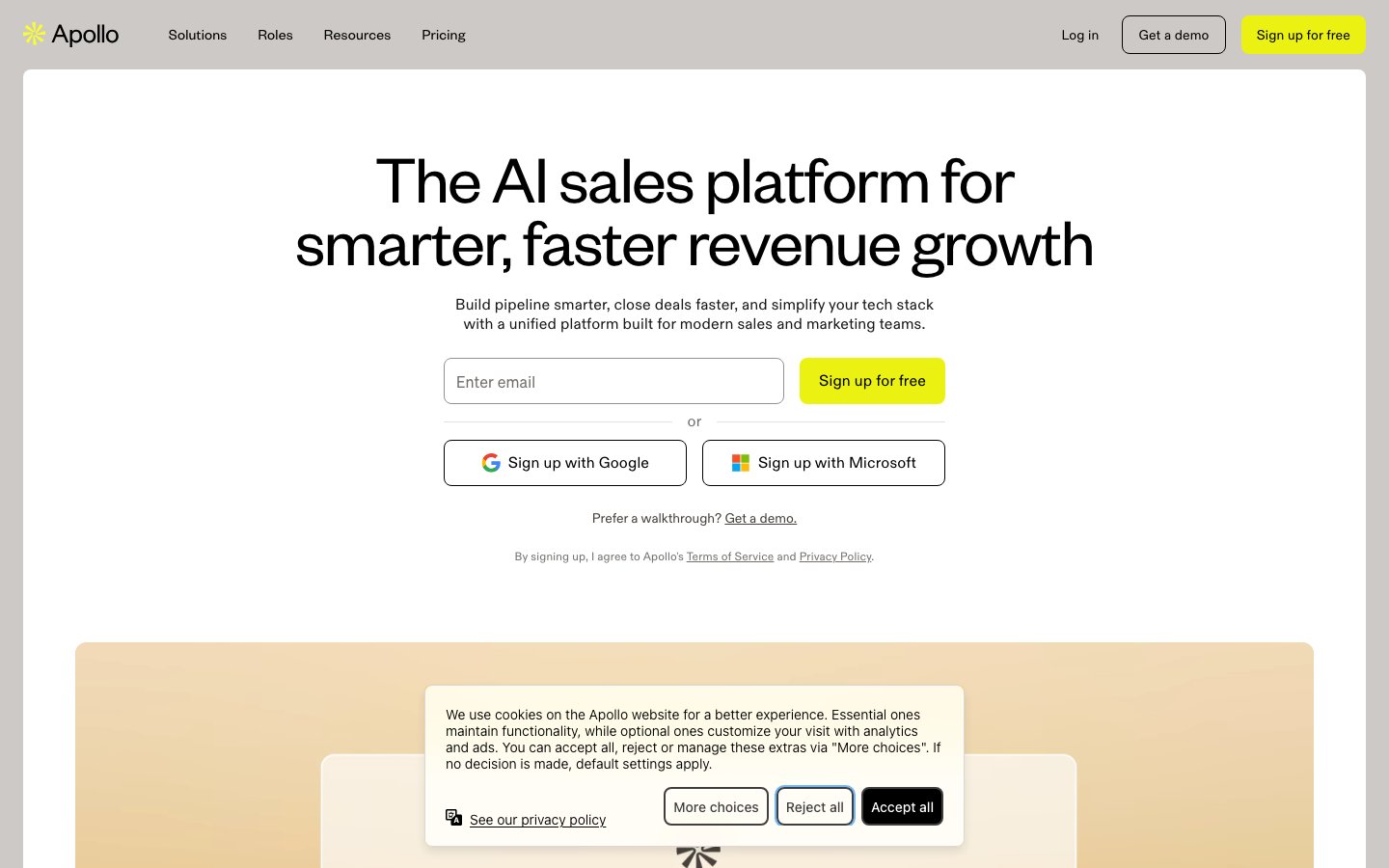 Apollo.io combines prospecting data with built-in engagement tools at an accessible price point.
The key evaluation criterion: does the tool make personalization easier or harder? Platforms that only automate sending without helping reps personalize content just increase the volume of generic outreach.
Category 4: Conversation Intelligence
Recording and analyzing sales calls reveals patterns that coaching alone cannot surface. Which questions correlate with advancing deals? Where do reps lose momentum? What objections come up most frequently?
Gong records, transcribes, and analyzes sales conversations with AI-powered deal health scoring and pipeline risk detection. The market leader for revenue intelligence across the full deal lifecycle.
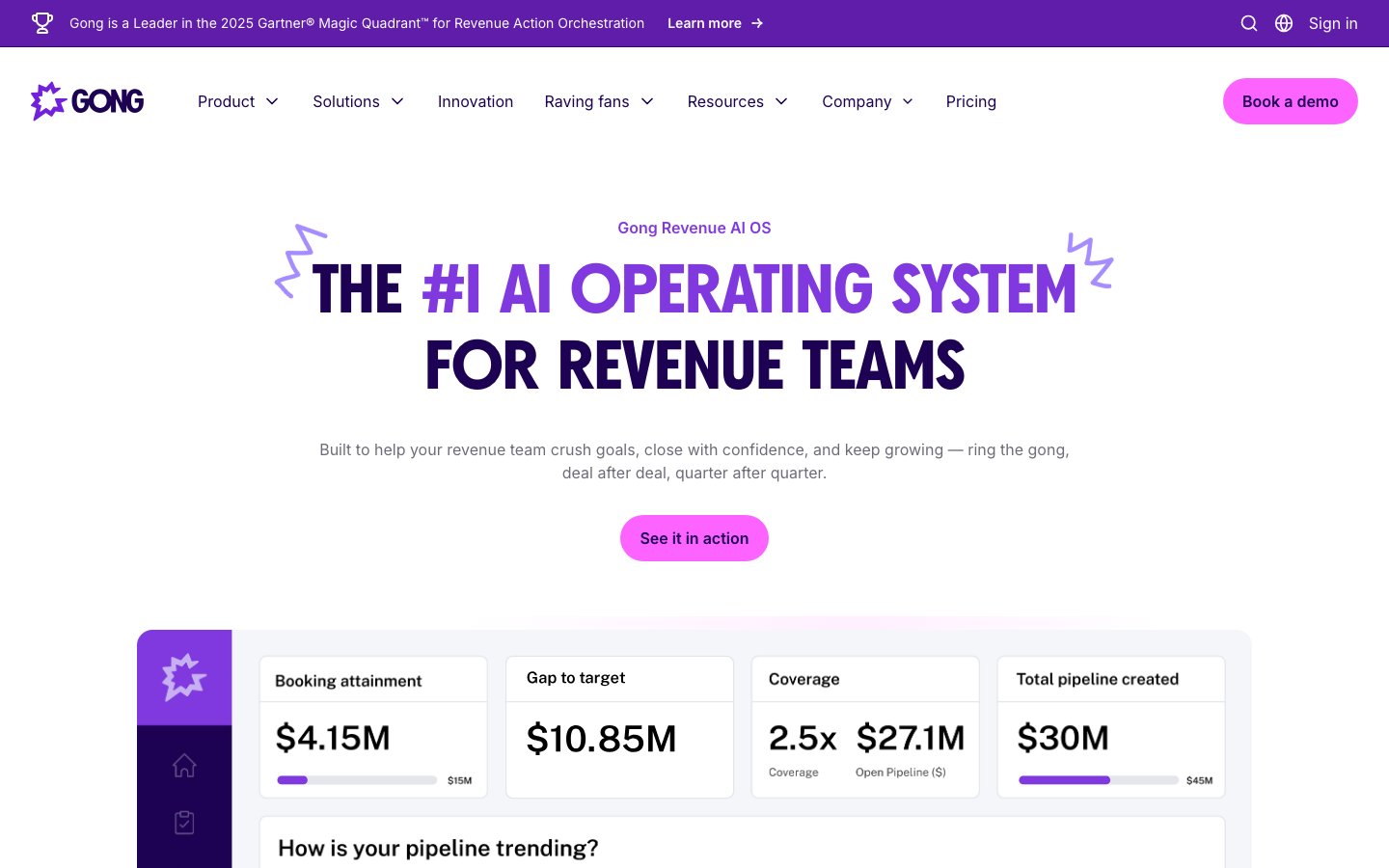 Gong provides AI-powered conversation intelligence with deal health scoring and pipeline analytics.
Chorus (by ZoomInfo) provides conversation analytics with strong ZoomInfo integration for teams already in that ecosystem. Particularly useful for connecting call insights directly to contact and account data.
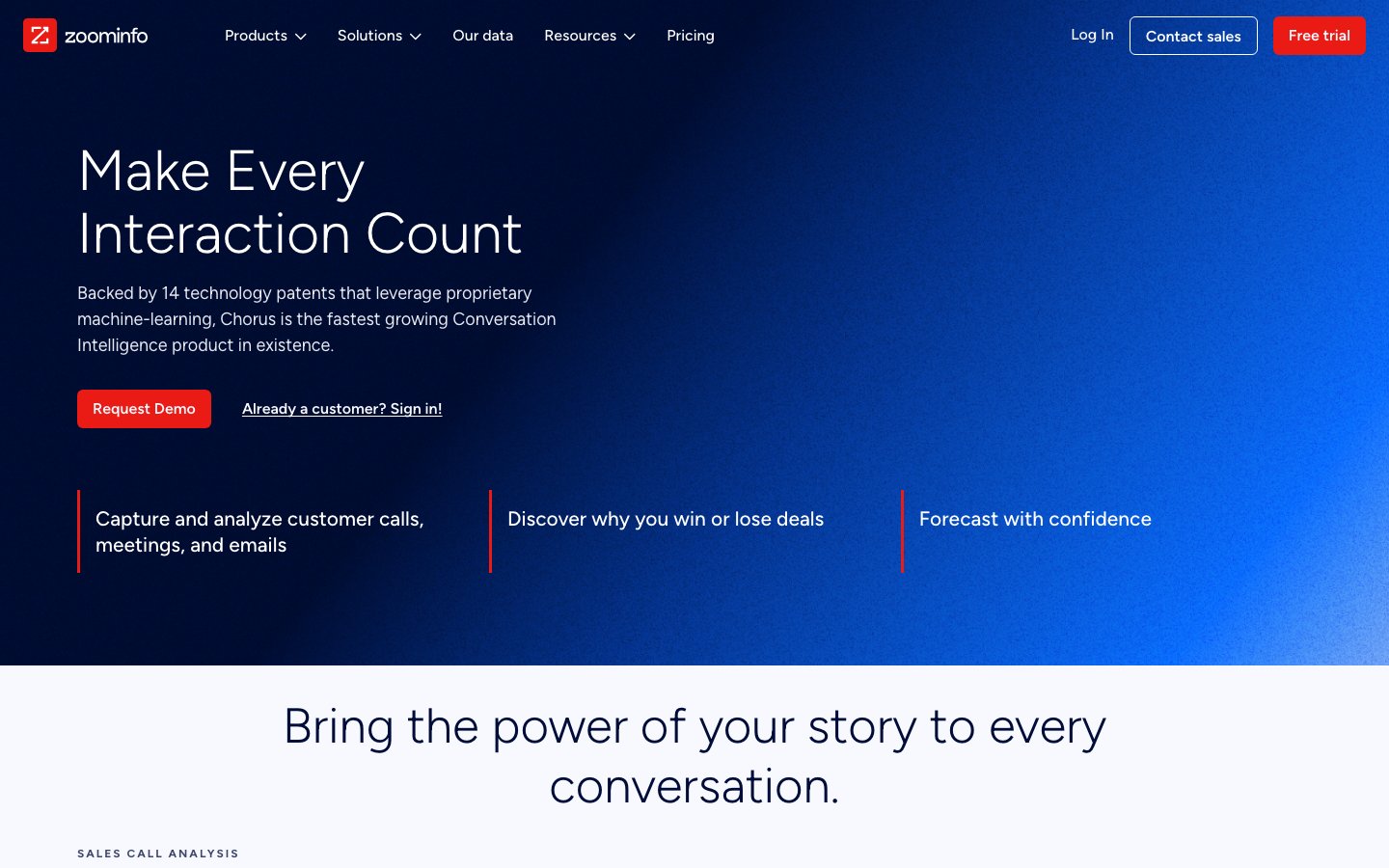 Chorus connects conversation analytics directly to ZoomInfo's contact and account data.
These tools are primarily valuable for sales leadership and enablement. Individual reps benefit from call recordings for personal review, but the real ROI comes from systematic coaching improvements across the team.
Category 5: Pipeline Analytics and Scheduling
Visibility into pipeline health, deal progression, and forecast accuracy helps sales leaders make better decisions. And scheduling tools eliminate the friction that kills meeting conversion.
Clari, now part of Salesloft and sold as Clari Forecast, provides AI-powered revenue forecasting and pipeline inspection, helping leaders identify deal risk and forecast gaps before they become missed quarters. Best for VP-level pipeline visibility.
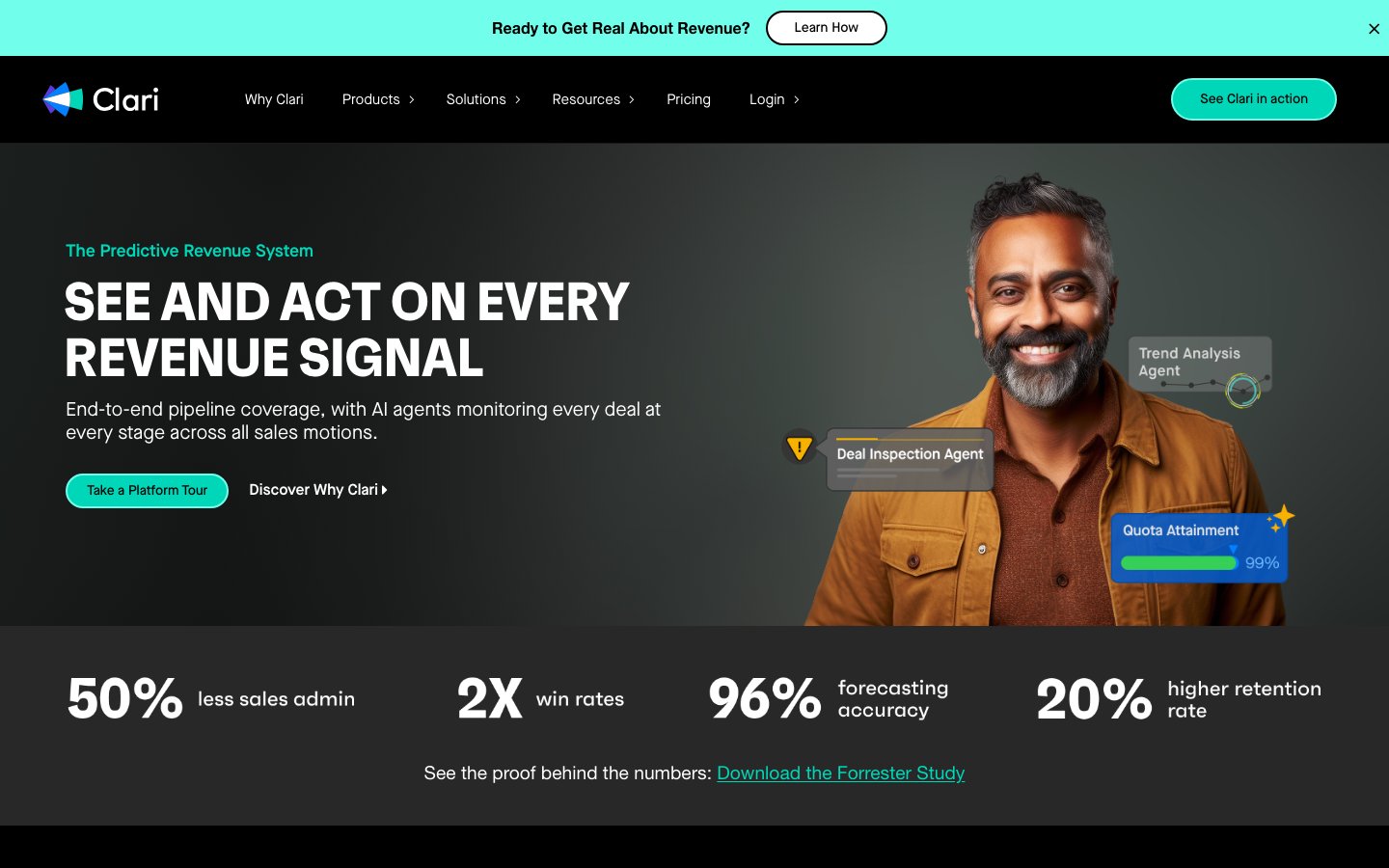 Clari provides AI-powered pipeline inspection with 96% forecasting accuracy.
Calendly eliminates back-and-forth scheduling by letting prospects book directly into available time slots. Simple, effective, and reduces the drop-off between "interested" and "meeting booked."
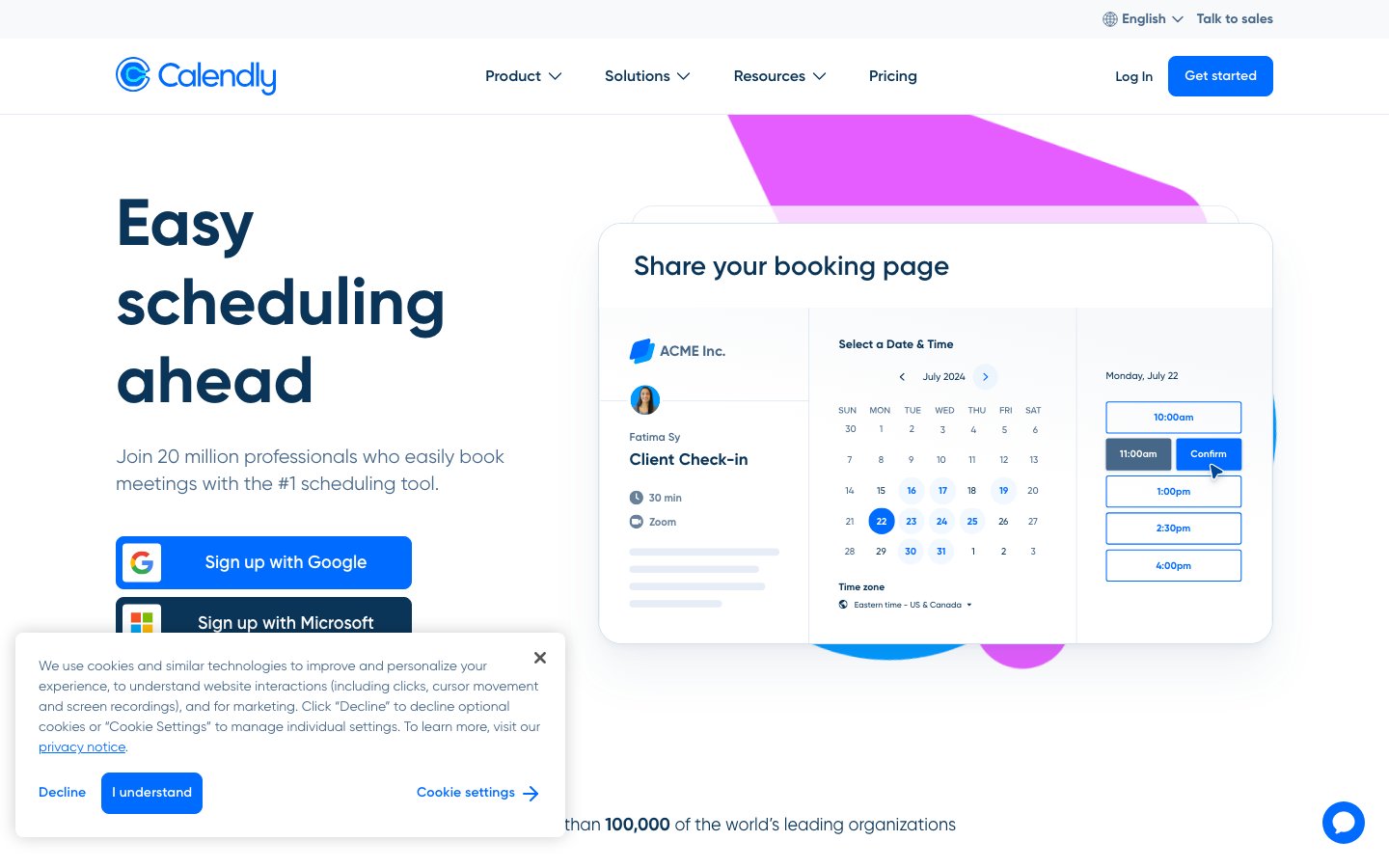 Calendly eliminates scheduling friction so prospects can book directly into available time slots.
Vidyard enables personalized video messages for prospect outreach, standing out in crowded inboxes. Most effective when integrated into sales engagement sequences for high-value account-based selling targets.
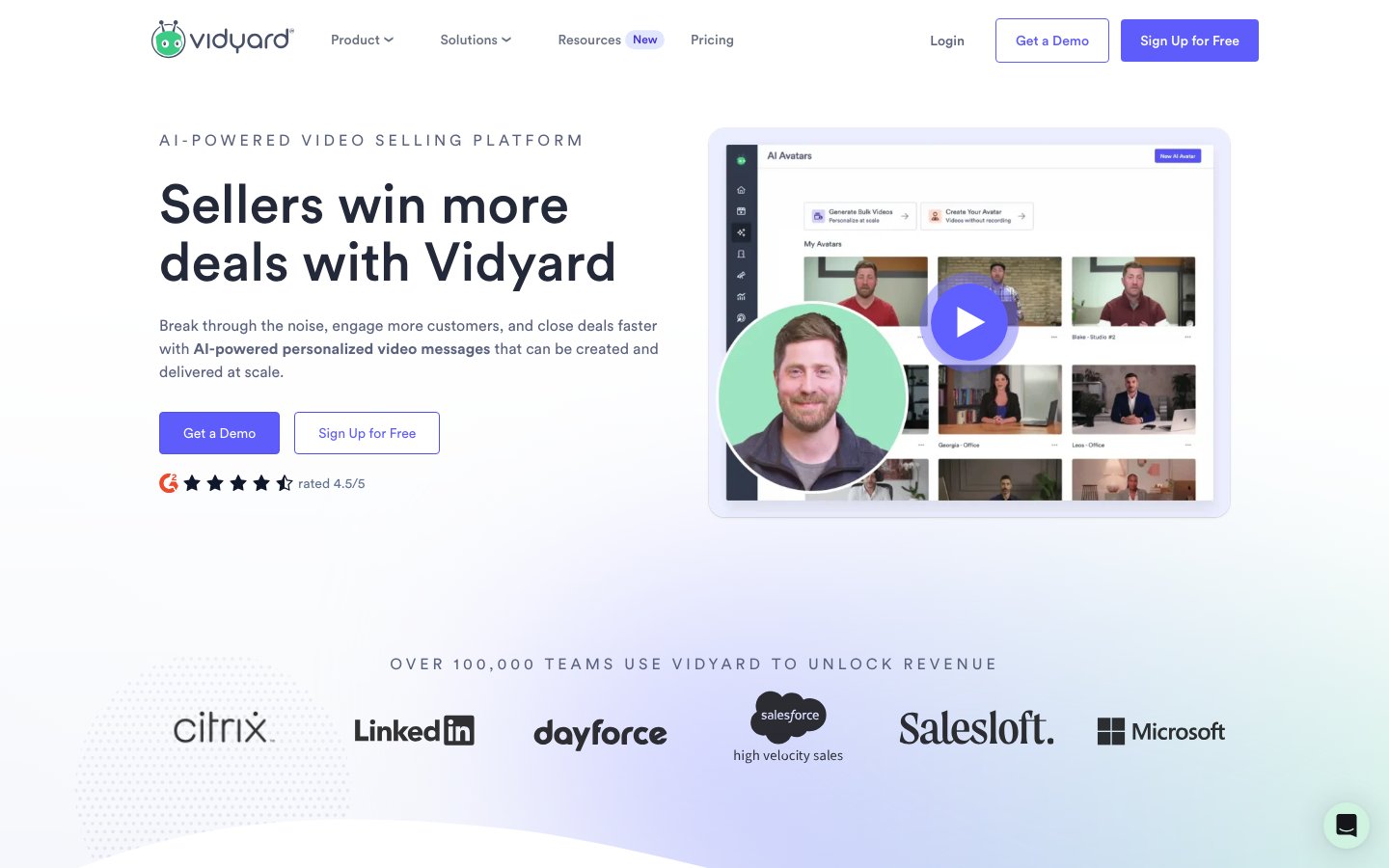 Vidyard enables personalized video outreach that stands out in crowded inboxes.
The Consolidation Imperative
The trend heading into 2027 is consolidation, not expansion. Leading revenue teams are actively reducing their tool count. Every additional tool introduces integration complexity, data silos, and adoption risk.
Buyers say it more bluntly. A sales leader at a software firm told us: "But, you know, we are tooled to death."
Before adding a new tool, ask three questions:
Can an existing tool handle this? Many platforms have expanded their capabilities. Your CRM might already offer features you are buying separately. Your engagement platform might include basic analytics that eliminates the need for a standalone tool.
Will reps actually use it? If adoption requires changing established workflows, the tool needs to be dramatically better, not incrementally better. Otherwise, reps will revert to their old habits within weeks.
Does it integrate natively? Manual data transfers between tools guarantee data quality problems. If the tool does not connect to your CRM and engagement platform through native integrations, the total cost includes the ongoing RevOps burden of maintaining custom connections.
At Cytel, the sales team consolidated from five separate account research tools down to one platform. The result was a 50% reduction in research time and 30% faster account planning preparation. The simplification mattered as much as the capability.

“We have very limited bandwidth, but Salesmotion was up and running in days. The template made it easy to load our accounts and embedding it in Salesforce was simple. It was one of the easiest rollouts we've done.”
Andrew Giordano
VP of Global Commercial Operations, Analytic Partners
Building Your Stack in the Right Order
If you are building from scratch or rationalizing an existing stack:
Phase 1 (Weeks 1-4): Foundation. CRM plus account intelligence. These two tools cover 80% of what a rep needs daily. Get them configured, integrated, and adopted before adding anything else.
Phase 2 (Weeks 5-8): Outreach. Add a sales engagement platform once reps consistently use the CRM and intelligence tools. The engagement platform should pull data from both, enabling personalized sequences grounded in real account insights.
Phase 3 (Months 3-6): Optimization. Layer in conversation intelligence and pipeline analytics once you have enough data flowing through the system to make analysis meaningful.
Phase 4 (Ongoing): Evaluate. Every quarter, audit tool usage. If fewer than 60% of licensed users actively use a tool, either fix the adoption problem or cut the tool. Shelf-ware is the most expensive category in your tech budget. For a manager-specific view of which tools to prioritize, see our sales management tools guide.
Key Takeaways
- More tools does not mean more productivity. Consolidation and integration predict ROI better than feature breadth.
- Start with account intelligence and CRM. These two categories deliver the largest impact on daily rep behavior.
- Test every tool against actual rep workflows, not demo scenarios. Adoption after 90 days is the true success metric.
- Engagement platforms only work when fed with quality intelligence. Automating generic outreach at scale damages your brand.
- Audit your stack quarterly. If reps are not using a tool, fix it or cut it.
- Build sequentially: foundation first, then outreach, then optimization. Skipping phases creates fragile systems.
Frequently Asked Questions
How many sales tools does a rep actually need?
Most effective reps rely on three to five core tools daily: CRM, account intelligence, engagement platform, email, and calendar. Additional tools (conversation intelligence, analytics, enablement) are used periodically but not daily. The goal is minimal tools with maximum integration, so data flows automatically and reps spend time selling, not managing software.
What is the most important sales tool besides CRM?
Account intelligence. Research consistently shows that reps spend 20-30% of their time on manual prospect research. A strong intelligence platform compresses that time dramatically while improving outreach quality. The combination of time savings and better targeting produces measurable pipeline coverage improvements within the first quarter.
How do you get reps to actually adopt new sales tools?
Three factors determine adoption: integration with existing workflows (tools that live inside the CRM get used more), visible time savings (reps adopt tools that obviously make their day easier), and leadership reinforcement (managers must use the tool's data in coaching and reviews). Training alone does not drive adoption. Workflow integration does.