If you feel like you spend more time researching than selling, you're not imagining it. A widely cited baseline says 76% of top-performing sales professionals say they “always” research prospects before reaching out, according to LinkedIn's Global State of Sales 2022 as referenced by Cognism's cold calling statistics roundup. The habit is real. The problem is that most reps still do it in a messy, inconsistent way.
This isn't a list of vague tips. It's a practical, downloadable-style pre call research checklist B2B teams can use in a strict 30-minute workflow: Company Context (5 min), Strategic Priorities (10 min), Trigger Events (5 min), People Intel (5 min), and Competitive Context (5 min). Follow it and you'll walk into the call with a point of view, not a pile of tabs.
Use this to get to one angle, one question, and one next step. If you need a sharper way to sort genuinely interested buyers from casual browsers, a qualification framework like NEAT selling starts here. And if you're tired of spending your day stitching together context by hand, there's a better way to handle most of this research without lowering quality.
1. Company Financial Health and Recent Funding Activity
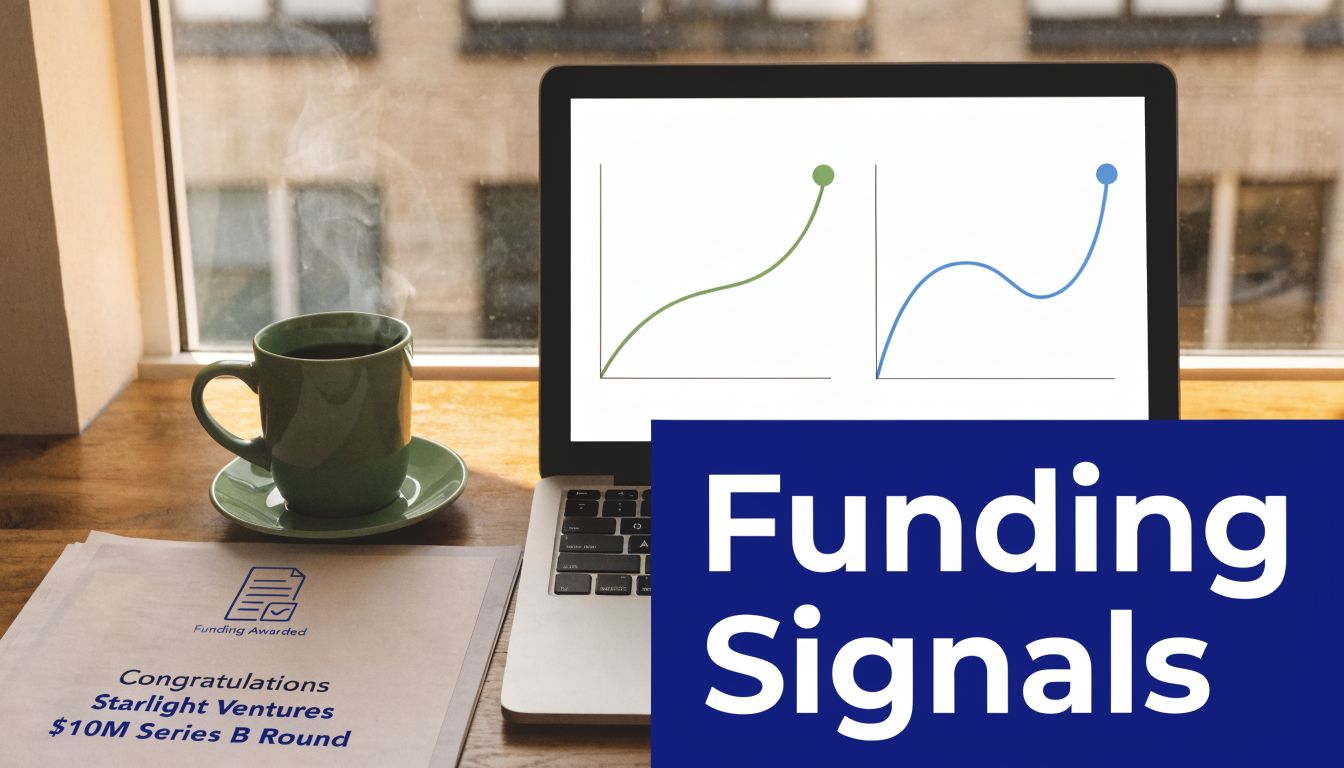
Start with the money. Not because every company with cash is a buyer, but because financial posture changes how you qualify urgency, budget, and risk.
If a company just raised capital, reported strong growth, or is expanding into new functions, the conversation usually shifts from “why spend?” to “how fast can we execute?” If the business is under pressure, freezing roles, or signaling caution in public filings, your approach needs to tighten around efficiency, consolidation, or risk reduction.
Take the simple version first. Check the company website, recent press releases, Crunchbase, PitchBook, and if it's public, SEC filings and earnings materials. You're not trying to become an equity analyst. You're trying to answer whether this account looks like it's investing, protecting cash, or resetting priorities.
What to capture in five minutes
- Funding status: Look for fresh capital, investor updates, or major debt announcements. New funding often means new mandates, not just new cash.
- Revenue posture: For public companies, scan earnings commentary for expansion, margin pressure, or guidance changes.
- Investment direction: Pair funding news with hiring. If they raised and then opened roles in sales ops, security, or data, that tells you where the budget is being deployed.
- Timing cues: A just-announced event matters more than an old headline sitting in search results.
A practical example. If a Series B company announces a new round and opens roles across go-to-market and operations, that's usually a sign they're moving from proving product demand to scaling execution. That creates a very different sales motion than a mature company discussing cost discipline on an earnings call.
An account executive at an HR software firm told us the most useful single data point before a call is often the prospect's fiscal year, because it tells him when to book the next meeting. Add it to your timing cues.
Practical rule: Don't stop at “they raised money.” Ask what they're trying to build with it.
Sales teams that work funding signals seriously should also know how those announcements are written, so they can spot the useful parts fast: use of proceeds, market expansion language, and executive quotes about next steps.
If you want a cleaner process, Salesmotion has a useful breakdown of how to turn capital events into outreach in this guide to the funding round sales trigger. The key is simple. Don't mention funding as trivia. Tie it to execution pressure, team expansion, or the systems they'll need next.
2. Recent Executive Leadership Changes and Org Structure
New leaders create one of the best windows in B2B sales. A fresh executive rarely joins to preserve the status quo. They join to change something, prove traction, or fix a problem they were hired to own.
That's why leadership changes deserve their own pass in your pre call research checklist B2B routine. Check LinkedIn, the company newsroom, executive bios, and any announcement from the board or leadership team. Then ask one hard question: what playbook is this person likely to bring with them?
A new CRO from a disciplined SaaS business may push forecasting, pipeline inspection, or tighter sales process. A newly hired CISO may care about control, risk visibility, and vendor scrutiny. A VP Product coming from a data-heavy company may push instrumentation and experimentation faster than the org is ready for.

What good org-change research looks like
You don't need a full org chart. You need the few shifts that change buying dynamics.
- New executive arrivals: Especially in revenue, product, operations, finance, security, and IT.
- Role consolidation: One leader now owns multiple functions. That often changes how vendors are evaluated.
- Board additions: Operators and growth investors can signal pressure to scale, restructure, or professionalize.
- Reporting lines: If sales and marketing now report into one leader, your messaging should reflect cross-functional goals, not a single-team pain point.
Here's the trade-off. Reps often rush to message the new executive directly. That sometimes works, but not always. In larger accounts, the better move is to map the likely ripple effect first. Who now needs to implement that executive's strategy? That's often where urgency is easiest to access.
New leader outreach works best when you reference the mandate behind the hire, not the announcement itself.
Salesmotion published a practical guide on how to track leadership changes for sales. Use that mindset. Track the move, study the background, and connect it to likely operating priorities. A mention like “congrats on the role” is forgettable. A message tied to the systems they'll need to hit the mandate gets attention.

“The account and contact signals are key for reaching out at important times, and the value-add messaging it creates unique to every contact helps save time and efficiency.”
Daniel Pitman
Mid-Market Account Executive, Black Swan Data
3. Competitive Positioning and Market Threats
A company's own messaging usually sounds polished. Competitive pressure is where genuine urgency often shows up.
Read how they describe their category, but also how the market is moving around them. Check investor decks, press releases, G2 profiles, review sites, analyst mentions, and competitor pages. Then look for gaps. Is the prospect pitching enterprise-grade reliability while customers complain about implementation speed? Is a newer competitor winning attention with simpler deployment or faster innovation?
This is where a lot of reps get sloppy. They hear “competitive research” and start collecting random facts. That's useless unless the finding changes your talk track.
Where to look for real pressure
- Earnings and executive commentary: Public companies sometimes reveal where competitors are changing buyer expectations.
- Review sites: G2 and similar platforms can expose repeated complaints around onboarding, support, pricing, or product limits.
- Comparison pages and product launches: These show how competitors want the market to frame the decision.
- Customer proof: Case studies can reveal the outcomes the market currently values.
A useful example. If a software company positions itself as enterprise-ready but recent reviews keep highlighting slow integrations, your call shouldn't open with a generic product pitch. It should probe operational friction, rollout timelines, and what “enterprise-ready” means inside their environment.
The strongest checklist here stays narrow. Instantly's checklist argues for prioritizing high-yield signals over broad browsing and highlights areas like recent company triggers, technographic gaps, specific pain points, mutual connections, and budget indicators as conversion-sensitive inputs in its B2B cold call research checklist. The lesson is operational. Capture what maps directly to a question, objection, or qualification decision.
For a reusable workflow, this competitive analysis framework is a solid model. Find the pressure. Name the likely impact. Build one question around it. Anything more and you're drifting into research theater.
4. Strategic Initiatives and Business Priorities
This is the part most reps skip because it takes a little more thinking. It's also the part that separates informed outreach from noise.
You're looking for declared priorities. Annual report themes, CEO letters, investor presentations, product launch messaging, and hiring patterns all tell you where the company wants to go. Buyers respond better when you connect your message to an active company initiative than when you pitch a generic pain point they may or may not care about.
The process is straightforward. Start with the company's own words. What are leaders saying about growth, efficiency, AI, expansion, customer retention, platform consolidation, or international rollout? Then verify whether the organization is staffing against those priorities.
Translate priorities into call angles
A strategic initiative matters only if you can turn it into a relevant conversation opener or discovery path.
- Expansion themes: New regions, new customer segments, or new product lines often create operational strain.
- Efficiency themes: Margin focus, simplification, or consolidation usually increase interest in replacing fragmented tools.
- Innovation themes: AI, automation, or product acceleration can point to data, integration, and change-management needs.
- Customer themes: Retention, experience, or service quality can reveal where leaders are under pressure to improve execution.
The checklist logic is sound: research firmographics, technographics, decision-maker scope, and buying signals before the call, then tailor the opening and discovery questions.
The fastest way to sound relevant is to start from the company's current priorities, not your product categories.
A practical example. If a company is signaling an AI-first product direction and posting technical roles tied to data infrastructure, don't lead with broad transformation language. Lead with execution risk. Ask how they're handling rollout, governance, and cross-functional coordination around that push.

“All of the vendors that I've worked with, all of the onboarding that I have had to deal with, I will say, hands down, Salesmotion was the easiest that I have had.”
Lyndsay Thomson
Head of Sales Operations, Cytel
5. Hiring Activity and Headcount Growth Patterns
Hiring is one of the clearest windows into what a company is doing in reality, not just what it says it cares about.
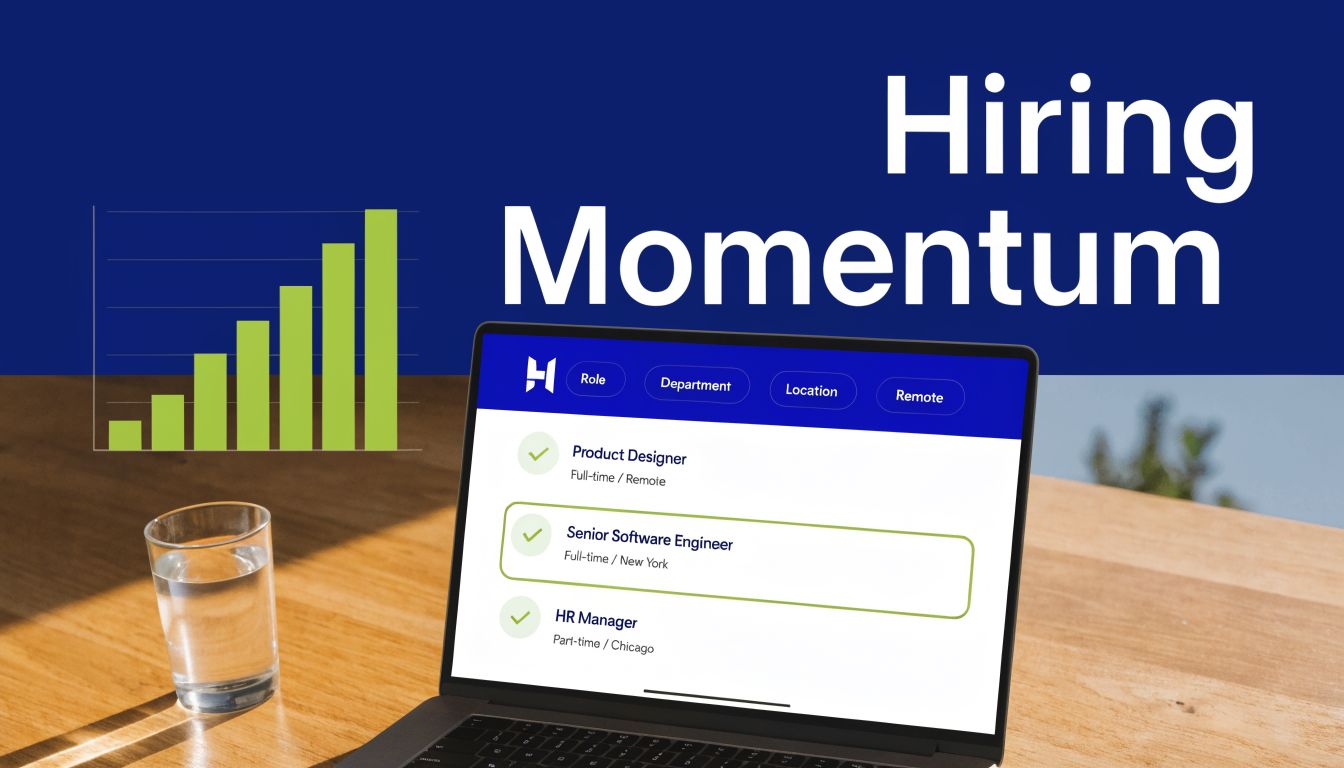
A company can publish a polished strategic memo and still underinvest in the teams needed to deliver it. Job postings expose the actual work. Look at which functions are growing, which geographies are opening, how senior the roles are, and whether they're building new leadership layers or just backfilling churn.
The value here isn't in raw headcount trivia. It's in pattern recognition. If a business is opening implementation roles, systems roles, rev ops roles, and enablement roles at the same time, there's a good chance internal process complexity is climbing. That changes your pitch.
What to look for in job data
- Function clusters: Groups of roles in sales, success, security, product, or data tell you where the organization is investing.
- New management layers: Hiring directors or VPs can signal a function that's being formalized.
- Location signals: New offices or regional hiring often indicate expansion pressure.
- Role language: Job descriptions reveal systems, workflows, metrics, and team pain points.
A simple scenario. If a company starts hiring SDRs, sales managers, and revenue operations roles together, the likely conversation isn't just “growth.” It's process standardization, tooling, forecasting, onboarding, and productivity. The same logic applies in customer success, finance, and IT.
Prospeo's 2026 checklist recommends time-boxed prep with 3-, 15-, and 30-minute templates and warns against over-preparing in part because fast response times matter. The same piece also cites that 45% of respondents use AI for account research and 54% use AI for personalized outbound in Outreach's 2026 sales engagement study, as summarized in Prospeo's pre-call research checklist. That supports a practical takeaway. Pull the hiring signals that sharpen your call. Don't turn the process into a scavenger hunt.
For teams that use hiring as a trigger, this guide on a hiring surge as a buying signal gives a strong framework.
6. Press Coverage, Media Mentions, and Industry Recognition
Press is useful for one reason. It shows what the company wants the market to notice right now.
That matters because public narrative often creates good outreach timing. Product launches, partnership announcements, expansion news, security updates, awards, and conference appearances all tell you what leadership is amplifying. Those aren't all buying signals, but they're often better conversation starters than stale personalization about a bio line or old blog post.
Most reps either ignore press entirely or overvalue it. The middle path works. Read the company newsroom. Check executive LinkedIn posts. Look at trade publication mentions. Then ask whether the announcement creates change, pressure, or visibility inside the organization.
Press angles worth using
- Product launch: Useful when the launch creates operational complexity, not just publicity.
- Partnership announcement: Good signal if it implies integration, partner expansion, or channel motion.
- Award or recognition: Better for framing external momentum than for assuming intent.
- Executive interview: Often reveals priorities in a less polished way than the investor site does.
Here's what doesn't work. “Congrats on the award” with no point of view. That reads like a template. A better approach is to tie the press moment to execution. If they just launched a new product line, ask how the team is managing enablement, rollout, or customer adoption across the launch window.
Publicity is not the insight. The operational consequence is the insight.
This section also keeps your message current. If an account has been quiet for months and then suddenly starts publishing new announcements, that change itself can be a clue. Something moved internally. Your job is to infer what that means for the people you're contacting.
7. Key Decision-Makers, Customer Base, and Technical Roadmap
This final pass is where you make the research usable. Up to this point, you've collected company context, priorities, triggers, and market pressure. Now map that to people, buying roles, customer expectations, and likely technical change.
Start with LinkedIn. Look at your contact's tenure, prior companies, recent posts, and where they sit in the org. Then widen out. Who likely owns the budget? Who will care about implementation? Who can block the deal if they don't buy in? A lot of deals stall because the rep talks to the most responsive person, not the actual decision group.
Turn people intel into a call plan
- Primary contact: Understand what they own and what success looks like in their role.
- Economic buyer: Identify who signs or strongly influences spend.
- Technical buyer: Find the person who will care about integrations, security, or rollout risk.
- User stakeholders: Look for the people who'll live with the workflow every day.
A realistic example. You book a meeting with a director in operations. Good start. But if the company is in a platform migration, IT may hold major influence, finance may scrutinize cost, and an executive sponsor may care about rollout speed more than feature depth. If you don't map that early, your first call can sound relevant and still go nowhere.
A sales lead at a cybersecurity software firm told us: "finding out who is actually the guy basically took me a couple of hours". That was one person on one account, and it shows why this pass gets skipped when it is left to manual effort.
People research should stay practical. Pull one or two details that help you frame the conversation. Don't over-index on personal trivia. The strongest opening often combines role context with company context, such as a new leader, growth push, tool change, or announced initiative.
The same goes for technical roadmap signals. Product blogs, release notes, GitHub activity, engineering job posts, and implementation roles can all hint at stack changes or integration priorities. You don't need to know every tool they use. You need enough context to ask smart questions about current workflow, vendor fit, and change tolerance.
7-Point B2B Pre-Call Research Comparison
| Topic | Implementation complexity | Resource requirements | Expected outcomes | Ideal use cases | Key advantages |
|---|---|---|---|---|---|
| Company Financial Health & Recent Funding Activity | Moderate, aggregate filings and funding data | Financial databases (Crunchbase/PitchBook/SEC), analyst time | Prioritized list of accounts with likely budget and timing | Qualifying accounts and prioritizing post-funding outreach | Reveals budget availability, growth momentum, and deal timing |
| Recent Executive Leadership Changes & Org Structure | Low–Moderate, monitor announcements and profiles | LinkedIn alerts, press monitoring, background research | Timely outreach opportunities and insight into new mandates | Engaging new C-suite hires and organizational resets | High receptivity from new leaders; natural outreach angle |
| Competitive Positioning & Market Threats | High, requires market and win/loss analysis | Market reports, competitor tracking, customer reviews | Tailored messaging and urgency based on competitive pressure | Repositioning offers and responding to competitor moves | Identifies "why now" urgency and differentiation gaps |
| Strategic Initiatives & Business Priorities | Moderate–High, synthesize roadmaps and investor signals | Earnings calls, IR decks, product blogs, hiring signals | Alignment to multi-quarter initiatives and budgeted projects | Targeting solutions that enable stated strategic programs | Positions solution as strategic enabler tied to priorities |
| Hiring Activity & Headcount Growth Patterns | Low, track job postings and LinkedIn growth | LinkedIn, job boards (Greenhouse/Indeed), alerts | Real-time signals of investment areas and hiring managers | Selling tools to growing teams and newly staffed functions | Timely, function-specific signals that reveal immediate needs |
| Press Coverage, Media Mentions & Industry Recognition | Low, media and analyst monitoring | Google Alerts, Feedly, analyst reports, company newsroom | Outreach angles and external validation signals | Reaching out after product launches, awards, or press bursts | Provides credible, timely outreach hooks and market validation |
| Key Decision-Makers, Customer Base & Technical Roadmap | High, map stakeholders and technical signals | LinkedIn Navigator, case studies, product docs, GitHub | Targeted contact list and integration/technical fit insights | Complex enterprise deals requiring cross-functional buy-in | Prevents wasted outreach; reveals champions and integration opportunities |
From 30-Minute Checklist to 5-Minute Brief
A disciplined 30-minute workflow is already a major improvement over random prep. It gives reps a repeatable system. It also protects against the two common failure modes in pre-call work. Under-preparing and over-researching.
Prospeo's 2026 guidance recommends a 3 to 5 minute “5x5” guardrail for high-volume outbound, designed to produce one angle, one question, and one next step without disappearing into rabbit holes, as summarized in its pre-call research materials and referenced earlier. That idea matters because speed and relevance need to coexist. Research is only useful if it helps you act.
The manual process above works. But it's still fragile. One Slack message, one internal meeting, or one urgent follow-up and the whole workflow breaks. That's why more teams are moving the repetitive parts of account research into systems instead of leaving them to rep discipline alone.
Salesmotion fits that model. Based on its product workflow, it automates the heavy lifting in Company Context, Strategic Priorities, and Trigger Events, and assists with People Intel and Competitive Context by delivering a pre-built brief drawn from public sources. Instead of spending your prep window hunting for scattered context, you spend a few minutes reviewing an opinionated summary and deciding how to run the call.
That's the ultimate gain. Better consistency. Faster ramp to relevance. Less manual tab-switching. More time on actual pipeline work.
If you're leading a team, this matters even more. A strong pre call research checklist B2B process shouldn't depend on your best rep being unusually diligent. It should be easy to repeat, easy to coach, and fast enough that people use it. The more your workflow depends on heroics, the less reliable it becomes.
The practical standard is simple. Reps should walk into calls knowing what changed, why it matters, who likely cares, and what question to ask first. Whether they get there manually in 30 minutes or by reviewing a brief in 5, that's the bar worth setting.
If you want a faster way to turn account signals into usable call prep, Salesmotion's Research Agent is worth a look, or see the interactive demo first. It helps reps monitor target accounts, surface relevant triggers, and review structured pre-call briefs instead of piecing research together by hand.